The true impact of return-to-office (RTO) mandates on organisational culture and inclusion
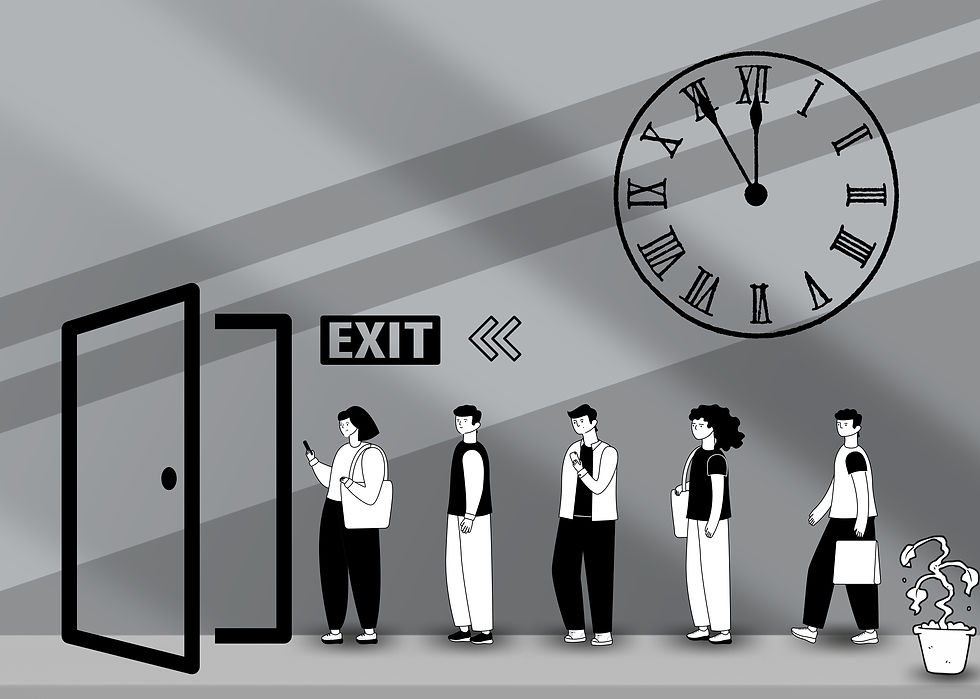
Return-to-office (RTO) mandates have often been enforced in service to productivity and collaboration, both legitimate reasons to bring people back to the office. But these mandates are also, whether leaders intend it or not, culture and inclusion decisions. And, like any decision, these decisions have consequences. The consequences may not show up immediately, but they may arrive months later disguised as attrition.
Research in organisational psychology has found that rigid RTO mandates disproportionately disadvantage groups for whom flexibility is not a luxury but an essential element of their work-life balance - women, carers, disabled employees, neurodivergent staff and lower-paid workers. Turnover data reveals a consistent pattern. Under RTO mandates, women's turnover has run at roughly three times that of men. Surveys have found around half of women say they'd leave over a full-return mandate, against a lower share of men. Mothers of young children are among the hardest hit. This isn't people being difficult, inflexible, or spoilt; it's people making decisions about their lives and accounting for the impact on things like childcare, commuting and caring responsibilities.
Nearly all companies imposing RTO mandates report engagement declines. Research at Baylor University found that firms bringing people back saw vacancies take around 23% longer to fill and hire rates drop meaningfully. Crucially, it appears that senior, high-skilled and most diverse employees left first because they had more options and bargaining power.
That means the RTO mandates are likely to shed your most valuable people and make it harder and slower to replace them. Some leaders have been candid, at least internally, that this was the point. Surveys have found a striking proportion of executives quietly hoped RTO mandates would drive "voluntary" attrition and lead to disguised layoffs, and avoid redundancy costs. But the evidence suggests they consistently got more attrition than they bargained for. And the attrition has been disproportionately weighted towards women and underrepresented groups. Thus, if inclusion is /was your goal, such forced attrition does more harm than good.
It's worth remembering that in the UK, under the Equality Act 2010, indirect discrimination doesn't require any intent. A neutral-sounding policy like a full RTO mandate that disproportionately disadvantages protected groups and whose benefits can be objectively questioned poses a legal risk. Add the legal duty to make reasonable adjustments for disabled employees, and blanket RTO mandates start to look like a real organisational culture and legal risk.
If you really must issue a RTO mandate, here are a few things worth considering
Do an equality impact assessment first.
Base the policy on the actual collaboration you need, not attendance for its own sake. "In for the work that benefits from being together" beats "in because we said so."
Provide flexibility as a protected right, not a discretionary favour that can be given or withdrawn.
Model who is likely to leave and calculate the cost of replacing them, so you understand the full cost and implications of the mandate.
Design with the affected groups, not for them. People accept decisions they helped shape.
Provide adequate time for adjustment. Give people enough time to adjust and prepare for the RTO.
This is not an argument for working from home. It’s about flexibility and the impact of RTO on different groups and, therefore, on culture and inclusion. RTO mandates are not neutral, objective business (productivity or collaboration) calls they are often presented as. If not designed and executed carefully, they can drive some groups out the door, drag down your engagement scores, expand your gender pay gap, and disrupt your recruitment and leadership pipelines significantly.


Comments